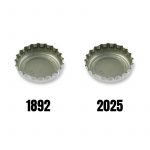
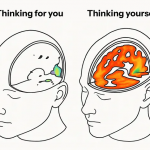
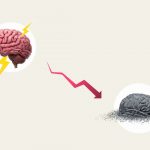
The greatest risk of AI isn’t that machines become more human.It’s that humans begin living more like AI. I had dinner with Sato Toshiaki from Glico. Naturally, the conversation drifted…
Imagine one person moves into a neighborhood. - Nothing really changes.Imagine ten people move in. - Things are still manageable.Imagine one famous actress posts: "I found this hidden neighborhood in…
At first glance, building massive AI data centers near places like Tokyo Tower feels irrational.For decades, data centers followed a simple rule: build where land is cheap. Build where electricity…
Artificial intelligence is quickly changing how products are conceived, designed, and delivered. Tasks that used to take weeks of coordinated effort across design, engineering, research, and content teams can now…
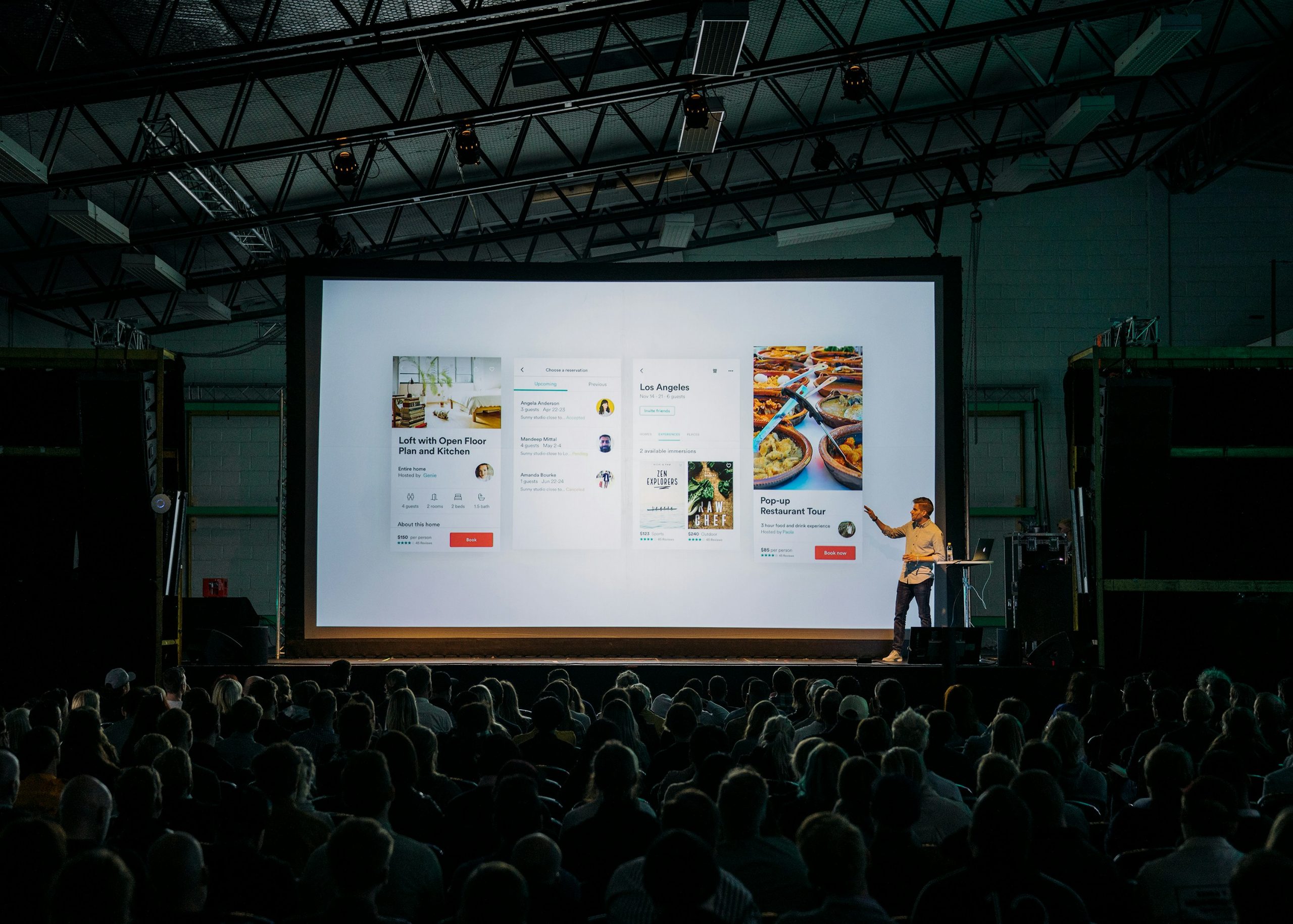
How you start your presentation decides what happens next. First impressions form in milliseconds and are hard to change. Your audience judges your competence and credibility before you finish your…
AI Didn’t Kill Your Craft. It Exposed It. Over the past year, something subtle has shifted in the products we use. Interfaces look better.Layouts are cleaner.Components align, accessibility checks pass,…
1. Not thinking about design holistically This problem typically happens in large design collectives. The team manager asks a junior UX designer to design new functionality or redesign a part…
Taken from Hubspot, Branding is the process of researching, developing, and applying a distinctive feature or set of features to your organization so that consumers can begin to associate your…
“UX is the gap between a user’s expectations and their real outcomes.” UX is the gap between a user’s expectations and their real outcomes. How they think something is going…
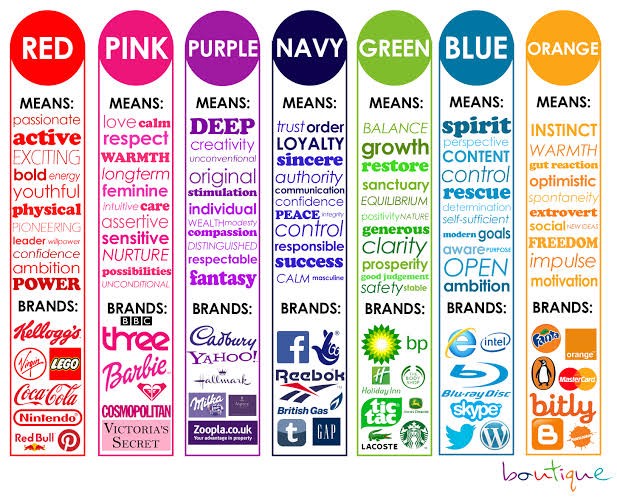
Color psychology according to different human emotions: In the above image, you can clearly see how different colors influence different emotions. Orange: Optimism, Motivation, Etc.Green: Freshness, Generosity, Safety, Etc.Purple: Fantasy, Creativity, Compassion, Etc.…
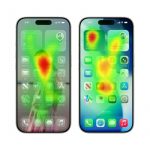
Thumb position Thumb friendly navigational design describes the area on a mobile device where the thumb is most at ease when interacting with the screen. Important links should be placed…